

Why Isn’t My Furnace Heating? A Chico, CA Troubleshooting & Repair Guide
If your furnace runs but the house stays cold, it means the system is not converting fuel or electricity into warm air the way it should. That failure can come from simple control or airflow issues, ignition or sensor problems, or safety devices that intentionally shut the unit down. This guide walks homeowners through sensible DIY checks, explains common mechanical and electrical faults, describes key parts like the flame sensor and blower motor, and lists routine maintenance steps that reduce emergency calls. You’ll find clear first-step checks, concise explanations of typical failure modes, enough component detail to understand repair recommendations, and straightforward advice on when to call a local Chico technician. Keywords such as furnace not heating, furnace troubleshooting, furnace repair, and furnace maintenance checklist are woven in to help you match symptoms to likely causes and next steps quickly.
Quick DIY Checks to Diagnose a Furnace That’s Not Heating
Think of this as a safety-first checklist—many problems are simple and safe for a homeowner to verify. These basic checks target thermostat settings, power, airflow, and filters—issues you can often fix without tools. If anything smells like gas, you see visible damage, or a check requires opening the furnace cabinet, stop and call a pro. Always shut off power before touching internal components; safety should guide when to escalate to a certified technician.
- Verify the thermostat is set to “Heat” and the set temperature is higher than the room temperature so the furnace gets a call for heat.
- Replace thermostat batteries and confirm the display and connectivity if the thermostat looks blank or behaves erratically.
- Check the air filter—remove it, hold it up to light, and replace it if it’s dirty or blocking airflow; install the new filter in the correct direction.
- Confirm power: check the furnace switch, the circuit breaker, and any external shutoff that serves the unit.
- Observe the pilot or ignition sequence from a safe distance; if you smell gas, leave the area and call a professional immediately.
These checks restore heat in many cases. If the furnace still won’t heat or you encounter safety concerns like repeated short-cycling or gas odors, contact All Around HVAC Construction in Chico for a professional diagnosis and repair. Calling a local provider gives you a documented, safe path to fix problems that go beyond DIY steps.
Is Your Thermostat Set Correctly and Working Right?
The thermostat is the furnace’s command center—if it doesn’t send the right signal, the furnace won’t run even when everything else is fine. Common thermostat issues include wrong mode (set to Cool or Off), dead batteries, misprogrammed schedules on smart thermostats, or wiring and communication faults that prevent a proper heat call. A quick test: raise the setpoint a few degrees and listen for the furnace to start. If nothing happens, swap in fresh batteries and try a reset or manual mode. If the display is blank with new batteries, or smart-thermostat errors persist, the thermostat may need replacement or professional calibration.
Confirming the thermostat’s behavior first narrows down the problem and prevents unnecessary part replacements when the control device—not the furnace—needs attention.
How to Inspect and Replace a Dirty Furnace Air Filter
A clogged filter reduces airflow, can make the furnace overheat, trigger safety limits, or cause short-cycling without delivering heat. Turn off power to the furnace, find the filter (at the return grille or in the unit), remove it, and hold it up to light—if you can’t see light through it, replace it. Use the correct size, install it with the airflow arrow pointing the right way, and note the date so you remember to change it regularly. If heating doesn’t improve after replacing a clogged filter, the restriction may have tripped a limit switch or stressed the blower—those secondary issues need a technician’s inspection.
Changing the filter usually restores normal airflow and avoids further control or heat-exchanger stress. Persistent no-heat after replacement indicates a deeper mechanical or electrical issue that warrants professional diagnosis.
Common Furnace Problems That Cause No Heat
Most no-heat situations come from a handful of repeat issues: control or thermostat errors, ignition or pilot failures, safety sensors tripping (like the flame sensor or limit switch), blower motor failures, and fuel or electrical supply problems. Each problem has recognizable symptoms that help you decide whether a safe DIY fix is possible or if a certified heating repair is required. The table below helps match symptoms to likely causes and the right next steps.
Different faults show different symptom clusters—use those signals to prioritize diagnosis and repairs.
| Problem | Symptom(s) | Likely Cause(s) | DIY Checks | When to Call a Pro |
|---|---|---|---|---|
| Ignition/pilot failure | Furnace tries to start but no flame | Bad ignitor, failed gas valve, blocked pilot | Watch the ignition sequence, sniff for gas, reset power | If you detect gas odor or ignition keeps failing |
| Flame sensor fouling | Burner lights then shuts off quickly | Dirty or weakened flame sensor | Visual check and gentle cleaning if safe | If cleaning does not stop repeated shutdowns |
| Blower motor not running | Warm air not circulated; blower silent | Motor failure, bad capacitor, wiring fault | Check power and the access panel switch | If the motor hums, overheats, or won’t run |
| Clogged filter / poor airflow | Overheating, limit switch trips, weak heat | Dirty filter, closed or blocked vents | Replace filter and open registers | If limit switch trips or issues persist after cleaning |
| Heat exchanger problems | Runs then shuts down; odd smells | Cracked exchanger, safety lockout | Inspect vents visually and check CO alarm | Immediate professional service if suspected |
Use this comparison to match everyday symptoms to likely causes. Complex or dangerous issues—like cracked heat exchangers or gas-valve failures—need certified technicians with combustion and safety testing tools. When combustion components are involved, professional heating services keeps you safe and code-compliant.
How a Faulty Thermostat Can Prevent Your Furnace from Heating
A malfunctioning thermostat breaks the chain between your set temperature and the furnace’s control board. Even healthy burners and blowers won’t run if the thermostat misreads temperature or doesn’t close the heat call. Faults can show as incorrect temperature displays, failure to enter heat mode, intermittent signals that cause short-cycling, or no response at all. Simple diagnostics include swapping in a known-working thermostat, temporarily bypassing the thermostat wiring at the furnace to check direct response, and inspecting low-voltage wiring for corrosion or loose terminals. Smart thermostat integrations can add extra points of failure—Wi‑Fi or power issues may mimic control faults, and fixing those restores normal operation.
Confirming the thermostat is functioning correctly helps you decide whether you need a new thermostat or must investigate ignition, sensor, or blower problems next.
What to Do When the Pilot Light or Ignition System Fails
Ignition failures fall into two categories: a standing pilot that won’t stay lit, or an electronic ignition that won’t spark or heat the ignitor. A standing pilot can go out from drafts, a blocked orifice, or a worn thermocouple. Electronic ignitors can crack, the electrodes can wear, or the control board may fail. Safe homeowner checks are limited—observe the ignition attempt from a distance, listen for the inducer motor and control clicks, and confirm gas supply visually if safe. Never try to relight a pilot if you smell gas—leave the area and call the gas company or a professional. Repeated failure to establish flame usually means the ignitor or gas valve needs replacement—work for a trained technician because of combustion and safety risks.
Because ignition directly controls whether a furnace produces heat, these issues quickly escalate from simple relighting to component replacement and gas-safety inspections that require certified service.
How Key Furnace Components Affect Heating Performance
Each major part has a clear role: the heat exchanger transfers combustion heat to the air stream, the flame sensor confirms combustion is occurring, the blower motor moves heated air through the ducts, and the control board coordinates the sequence. Failures in any of these parts create recognizable signs—reduced airflow, short cycling, safety lockouts, or no heat—and knowing component function helps you interpret symptoms and prioritize repairs. The table below summarizes component roles, common failures, and observable signs to watch for.
Understanding components helps translate what you hear or see into likely mechanical or electrical root causes and supports smarter repair decisions.
| Component | Function | Common Failures | Signs to Watch |
|---|---|---|---|
| Heat exchanger | Transfers combustion heat to the air stream | Cracks, corrosion | Burning smells, CO alarm activation, frequent lockouts |
| Flame sensor | Detects and confirms combustion | Fouling, pitting | Burners light then shut off quickly |
| Blower motor | Circulates heated air | Bearing failure, capacitor issues | Weak airflow, humming, no operation |
| Control board | Coordinates system sequences | Shorted relays, failed sensors | Erratic behavior, missing ignition sequence |
| Inducer / pressure switch | Ensures safe venting and draft | Blockages, switch failure | Inducer noise, lockouts, safety errors |
This component reference explains how part-level faults show up as user-facing symptoms—and why some issues, especially heat-exchanger cracks, require immediate professional inspection for safety.
What the Flame Sensor Does and Why It Fails
The flame sensor is a safety device that proves a stable flame is present. It completes a low-voltage circuit when combustion is steady; if the sensor is fouled with carbon or pitted over time, it can’t detect flame and the furnace will shut down shortly after ignition. You can sometimes restore it by powering down, removing the sensor, and gently cleaning it with fine emery cloth or steel wool to remove buildup—then reinstall and test. If cleaning doesn’t stop repeated shutdowns, the sensor should be replaced or the burners checked for weak flame or combustion issues by a technician.
Because the flame sensor directly controls burner operation, addressing persistent fouling helps avoid repeat service calls and points toward underlying combustion or airflow problems a trained technician can correct.
How Blower Motor and Heat Exchanger Problems Stop a Furnace From Heating
The blower motor moves warmed air through your home—if the motor, capacitor, or related parts fail, the furnace may make heat but not circulate it, or safety limits will shut the burners down from overheating. Blower issues sound like loud bearings, a humming that never fully starts, or complete silence. Failed capacitors often cause intermittent starting. Heat exchanger problems are more serious: cracks or corrosion can let combustion gases into the air stream, triggering safety shutdowns and creating carbon-monoxide risks. If you suspect a cracked heat exchanger or if a CO alarm activates, evacuate and call a professional immediately—do not run the furnace.
Fixing blower faults and verifying heat-exchanger integrity restores safe, effective heating. Both typically need parts replacement and certified repair to confirm safety and reliable operation.
When to Call All Around HVAC Construction for Professional Furnace Repair in Chico, CA
Escalate to professional service for emergencies like any gas smell, carbon-monoxide alarm activation, visible fire, smoke, or major mechanical damage. Urgent but non-emergency issues include repeated ignition failure, persistent short-cycling, or suspected heat-exchanger problems. Professional repair brings expert diagnosis, safe handling of combustion systems, and certified testing to make sure repairs meet safety and performance standards. All Around HVAC Construction serves Chico homeowners with furnace repair, heating service, heating repair, and maintenance—our NATE-certified technicians perform thorough diagnostics, safety checks, and component repairs. For issues involving gas, heat exchangers, or ignition systems, a certified local contractor has the right tools and safety protocols to fix the problem correctly.
Prompt professional response reduces risk, prevents further damage, and gets your home comfortable again. Indoor air quality is essential for ensuring a comfortable living environment.
| Service Attribute | What It Means for You | What to Expect |
|---|---|---|
| NATE certified technicians | Technicians verified for technical competency | Thorough diagnostics and consistent safety checks |
| Emergency HVAC repair capability | Fast response for urgent failures | Prioritized safety repairs and temporary measures if needed |
| Dealer relationships | Access to OEM parts | Compatible replacement components for Day & Night and other brands |
| Financing partners | Repair financing options | Work with Energy Loan Network or Wells Fargo when required |
This overview shows why a certified local provider shortens downtime and lowers risk. Before you call, have system details and symptom notes ready to help the technician diagnose faster.
Warning Signs That Require Expert Furnace Service
Seek immediate professional help for these signs: the smell of gas, carbon-monoxide alarm activation, visible flame irregularities, repeated failure to ignite, or smoke coming from the furnace. If gas or CO is suspected, evacuate, shut off the gas if it’s safe to do so, and contact emergency services or the gas utility. For non-life-threatening but persistent issues, document the behavior (times, noises, thermostat settings) to help the technician. Unusual noises—banging, rattling, or grinding—often point to mechanical failure like bad bearings or a cracked heat exchanger and should be evaluated quickly. Timely documentation and prompt professional intervention prevent escalation and protect occupants.
Taking photos or notes of symptoms ahead of a service call helps technicians diagnose issues more quickly and reduces time on site.
How NATE Certification Improves Furnace Repairs
NATE certification shows that technicians have passed standardized industry tests on HVAC diagnosis and repair. Certified techs follow methodical steps: a complete system assessment, combustion checks where applicable, electrical and control testing, and post-repair verification of safe operation and efficiency. Expect technicians to explain findings, show diagnostic readouts when relevant, and present a clear repair plan that focuses on safety and long-term reliability. Working with NATE-certified technicians reduces the chance of misdiagnosis and repeat failures because repairs are based on proven processes and competence.
Certification gives homeowners confidence that the repair addresses root causes, not just symptoms, which improves system longevity and performance.
How Regular Furnace Maintenance Prevents Heating Problems
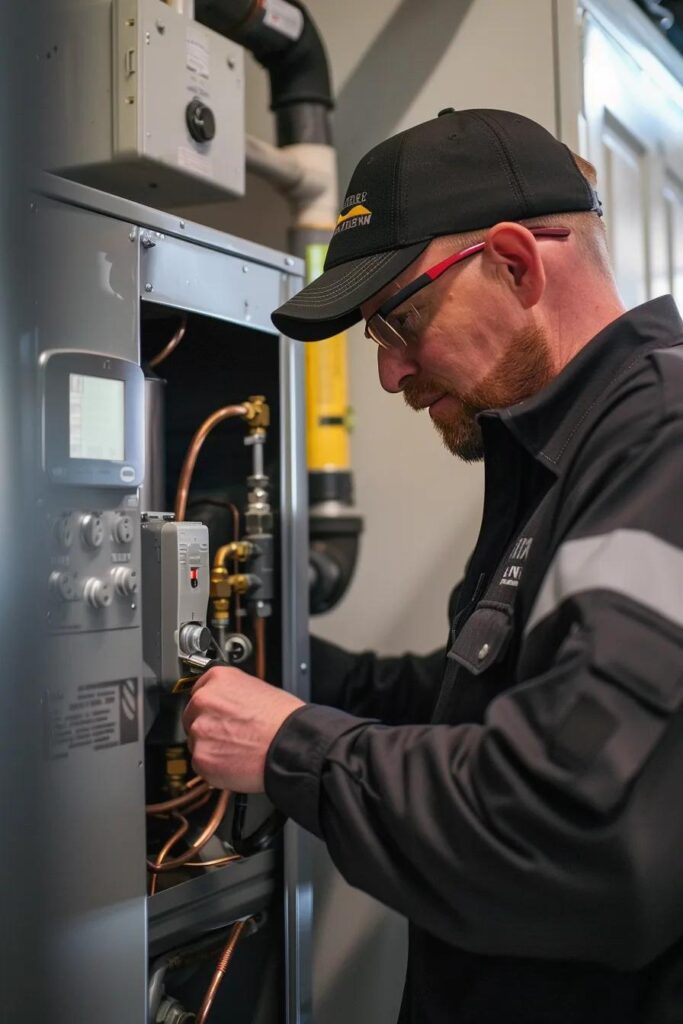
Regular maintenance prevents many common failures by keeping combustion and airflow systems clean, ensuring sensors and safety devices work properly, and catching wear before it causes a breakdown. Annual tune-ups typically include filter checks, burner cleaning, flame sensor inspection, blower lubrication and motor testing, control-board diagnostics, and combustion and venting inspections. These steps reduce emergency calls, improve efficiency, and extend equipment life. Maintenance is both preventive and diagnostic—technicians identify parts nearing end-of-life and recommend repairs before they become no-heat emergencies. The table below shows common maintenance tasks, typical frequency, and benefits, plus how a local maintenance plan can help.
Routine upkeep lowers the chance of sudden failures and helps keep heating costs predictable through better efficiency.
| Maintenance Task | Frequency | Benefit | How All Around HVAC Helps |
|---|---|---|---|
| Filter inspection / replacement | Every 1–3 months | Maintains airflow and prevents limit trips | Technician confirms correct size and installs quality filters |
| Burner and ignition inspection | Annual | Reliable ignition and efficient combustion | We clean burners and test ignitor and gas-valve function |
| Flame sensor cleaning | Annual or as needed | Prevents false shutdowns | Safe cleaning or replacement during tune-up |
| Blower motor testing | Annual | Ensures consistent airflow | Lubrication, capacitor checks, and motor replacement when needed |
This maintenance guide helps you prioritize tasks that prevent common failures and shows the preventive value of scheduled service without listing prices.
Benefits of Annual Tune-Ups and Maintenance Plans
Annual tune-ups improve efficiency, reduce emergency repairs, extend equipment life, and verify safety systems—flame sensors and heat exchangers—are working correctly. Regular inspections catch small problems—worn belts, weak capacitors, or slight gas-pressure issues—before they turn into no-heat emergencies. For homeowners, benefits include fewer mid-winter breakdowns, steadier comfort, and predictable maintenance scheduling that helps with budgeting. Maintenance plans also build a service history technicians use to spot long-term trends in system performance.
Knowing these benefits makes preventative scheduling a cost-effective way to avoid disruptive furnace failures.
How to Schedule and Prepare for Furnace Maintenance with All Around HVAC
Scheduling is simple: call All Around HVAC Construction or use our local business listing to set an appointment and describe any current symptoms. Before the visit, clear access to the furnace, note thermostat settings and recent behavior (short-cycling, noises, odors), and secure pets so technicians can work safely. During the appointment expect a systematic inspection: filter check, burner cleaning, flame sensor service, blower and electrical testing, and a combustion and venting safety report when applicable. The technician will review findings, prioritize safety issues, and present clear options for repair or follow-up service.
Preparing the space and documenting symptoms ahead of the visit speeds diagnostics and lets the technician focus on the real problem.
Frequently Asked Questions
What should I do if my furnace is making unusual noises?
Strange noises—banging, rattling, grinding—can mean loose parts, failing bearings, or a damaged heat exchanger. Note when the sounds occur and how often; that detail helps the technician find the cause faster. If noises are loud or worsening, turn off the furnace and call a professional for an inspection to avoid further damage or safety risks.
How can I improve my furnace's energy efficiency?
Start with basic steps: change or clean the air filter every 1–3 months, seal and insulate ductwork, and add insulation in the home where needed to reduce heat loss. A programmable thermostat can help match heating to your schedule. Finally, schedule annual professional maintenance so components stay tuned for peak efficiency and lower energy bills.
What are the signs that my furnace needs to be replaced?
Consider replacement if the furnace is over 15 years old, needs frequent repairs, or no longer heats effectively. Sharp increases in energy bills, persistent strange smells or sounds, or repeated safety shutdowns are also signs to evaluate replacement versus repair. A professional inspection can help you compare repair costs, expected remaining life, and the benefits of new, more efficient equipment.
Can I perform furnace maintenance myself?
Homeowners can handle basic tasks—changing filters and checking thermostat settings—but anything involving burners, the heat exchanger, or electrical components should be left to certified technicians. Always cut power before doing checks, and when in doubt call a professional to ensure safety and code compliance.
What should I do if my furnace is short-cycling?
Short-cycling—frequent on/off cycles—can come from a dirty filter, misconfigured thermostat, or an oversized furnace. Start by checking and replacing the filter, and ensure the thermostat is placed away from drafts or heat sources. If the issue continues, call a technician to diagnose controls, airflow, and equipment sizing; short-cycling accelerates wear and should be resolved.
How often should I schedule professional furnace maintenance?
Schedule professional maintenance at least once a year, ideally before the heating season. Annual tune-ups keep the system efficient and safe, catch issues early, and reduce the chance of mid-winter breakdowns. A yearly visit typically includes cleaning, safety checks, and component testing to keep your furnace reliable.
Why Is My Furnace Blowing Cold Air Instead of Heat?
Cold air from a furnace means either the unit isn’t producing heat or the blower is running without combustion. Common causes are thermostat mode or setpoint errors, failed ignition or pilot systems, a tripped limit switch due to airflow restriction, or duct/damper settings that route conditioned air away. Quick checks: confirm thermostat settings, replace the filter, and listen for the inducer motor and burners during the ignition sequence. If cold air continues despite a proper thermostat call and a normal ignition sequence, the problem is likely mechanical (blowers or safety shutdowns) and needs professional inspection.
These steps help you decide whether the issue is a simple fix or a safety concern that requires a technician.
How Much Does Furnace Repair Cost in Chico, CA?
Repair cost depends on the failed component, parts required, labor complexity, and whether after-hours or emergency service is needed. System age, access to parts, and diagnostic time also affect price. Simple sensor or filter work is low-cost; heat exchanger replacement or control-board repairs are more expensive because they need safety testing and compliance checks. For an accurate estimate, schedule a diagnostic visit with All Around HVAC Construction—our technicians will itemize recommended repairs and explain cost drivers and financing options if available.
A professional inspection produces a clear, itemized repair plan that helps you avoid surprise charges and keeps safety first.
Conclusion
Knowing the common causes of furnace failures helps homeowners take sensible troubleshooting steps and schedule repairs before small issues turn into emergencies. Recognize the warning signs, perform safe first-step checks, and call a professional when combustion, gas, or safety systems are involved. Regular maintenance and timely repairs improve efficiency, extend equipment life, and keep your home comfortable. For trusted service in Chico, reach out to All Around HVAC Construction—our team is ready to help.