

DIY Furnace Troubleshooting: Diagnose and Fix Common Problems
A cold, quiet furnace in winter is more than an inconvenience — it’s a problem you’ll want resolved quickly and safely. This guide walks homeowners step‑by‑step through the most common furnace issues, how those faults show up, and which checks you can do yourself before calling a pro. You’ll learn to spot airflow and filter problems, ignition and combustion faults, control and power issues, and mechanical noises. We’ll also flag when it’s time to stop and get expert help, show safe pilot‑light relighting steps, and explain routine maintenance that protects warranties and avoids repeat visits. Read on for clear checklists, comparison tables, and practical advice tailored for homeowners who want fast, useful troubleshooting.
Why Is My Furnace Not Blowing Hot Air? Causes and Solutions
If the furnace motor runs but no warm air comes from the vents, the root cause is usually airflow, ignition, or control issues that prevent heat from entering your home. A clogged filter or blocked vents reduce airflow; a failed ignitor or pilot stops combustion; and thermostat settings, switches, or tripped breakers can halt the heating cycle even while the blower runs. Knowing how these systems work helps you rule out quick fixes and identify safety issues that need a technician. Below we list common heating services and safe troubleshooting steps to help restore heat or prepare useful notes for a service visit.
What Are the Common Reasons for a Furnace Not Heating?
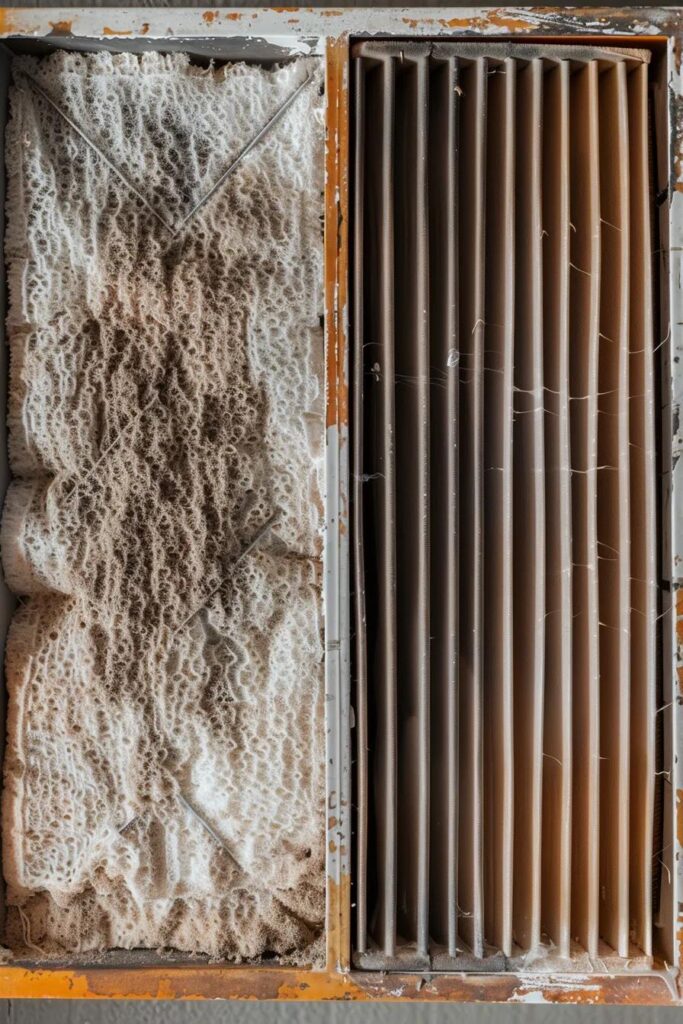
Typical causes for a furnace running without heat include restricted airflow (dirty filter or closed vents), ignition or pilot failures, and control or power interruptions. A dirty filter or closed supply registers lets the blower spin while warm air never reaches the rooms — an easy homeowner fix in many cases. Ignition problems such as a failed ignitor, weak pilot, or faulty gas valve stop combustion and require inspection of combustion parts. Electrical issues — a tripped breaker, blown fuse, or the furnace power switch turned off — are common and safe to check before moving on to more complex diagnostics.
How Can I Troubleshoot and Fix a Furnace That’s Not Blowing Hot Air?
Start with safe, noninvasive checks that address the most likely causes before calling for service. Confirm the thermostat is set to HEAT and the setpoint is higher than room temperature; replace thermostat batteries if applicable. Inspect and change the air filter, open all supply registers, and make sure the furnace power switch and circuit breaker are on — these steps often restore normal operation. If the unit still runs without producing heat after these checks, don’t open the combustion chamber; instead document what you observe (noises, lights, error codes) to speed a technician’s diagnosis.
Remember: any suspected gas or combustion fault is a job for a certified technician — stop and call for help if you detect a gas smell or unsafe conditions.
Use this quick comparison to guide your next step: which parts to check at home and which to leave to a pro.
| Component | Quick Check at Home | Recommended Action |
|---|---|---|
| Air filter / vents | Look at the filter and check registers for blockages | Replace filter, clear registers; if problem returns, schedule blower/airflow inspection |
| Thermostat / controls | Make sure thermostat is in heat mode, reset if needed, swap batteries | Reprogram or replace thermostat; call a technician for control board faults |
| Ignitor / pilot | Listen for ignition attempts and observe pilot or burners | Do not open the combustion chamber; contact an HVAC technician for ignitor or gas valve service |
| Breaker / power | Check the furnace switch and the circuit breaker panel | Reset breaker; if it trips again, have an electrician or HVAC tech diagnose wiring or motor issues |
This table shows which checks most homeowners can safely perform and which combustion or gas-related faults should be handled by a qualified HVAC technician.
What Causes a Furnace to Keep Shutting Off and How Can I Fix It?
Frequent shutdowns — or short cycling — happen when the furnace’s safety systems or control logic stop the unit repeatedly, often to prevent overheating or unsafe combustion. Short cycling wastes energy, stresses components, and commonly stems from blocked airflow, a dirty flame sensor, an overheating heat exchanger, or thermostat placement and programming issues. Identifying the cause helps you decide whether a simple furnace repair will do or if a professional cleaning or repair is required. The sections below explain why short cycling happens and list safe checks you can run before calling for service.
Why Does My Furnace Shut Off Frequently or Short Cycle?
Short cycling means the furnace starts, runs briefly, then shuts off — repeatedly. Causes include overheating caused by restricted return airflow (clogged filter or blocked returns) that trips the limit switch, a failing flame sensor that can’t confirm steady combustion, or faulty thermostat signals. Thermostat location — near a draft or heat source — can confuse the system, so checking sensor placement and programming is a useful diagnostic step.
What Are the Steps to Troubleshoot a Furnace That Keeps Turning Off?
Work through checks that separate airflow issues from sensing or control faults before attempting any internal cleaning or replacement. Replace the air filter, confirm all return and supply vents are open and unobstructed, and ensure basement or attic returns aren’t blocked by stored items. Next, watch the furnace through a full cycle and note whether the burner lights and whether the blower runs continuously; if the flame looks unstable or the unit shuts right after ignition, don’t try to clean internal sensors unless you’re experienced — instead take photos and notes for the technician. If airflow fixes don’t stop short cycling, schedule a professional inspection for flame sensor cleaning, limit switch testing, and control board diagnostics.
Below is a quick mapping of symptoms to likely fixes to help you prioritize.
| Component | Symptom | Likely Fix |
|---|---|---|
| Airflow (filters/vents) | Unit heats briefly then trips | Replace filters, clear vents, inspect blower and returns |
| Flame sensor | Burner lights then shuts off | Clean or replace flame sensor (professional recommended) |
| Limit switch / overheating | Frequent trips during operation | Check airflow; technician should evaluate heat exchanger and switches |
| Thermostat | Rapid cycles or odd call behavior | Reposition thermostat, update settings, or replace if faulty |
If problems continue after these checks — especially when combustion components are involved — get professional service to avoid damage and safety risks.
How Do I Fix a Pilot Light That Won’t Stay Lit on My Gas Furnace?
A pilot light that won’t stay lit usually points to a failing thermocouple, a clogged pilot orifice, a gas valve issue, or drafts blowing the flame out. Relighting a pilot is possible but must be done carefully and by the manufacturer’s instructions. Handling pilot problems properly restores reliable ignition and prevents wear to parts like the gas valve or ignitor. The sections below explain common causes and give a safe heating maintenance checklist with clear stop points.
What Are the Main Reasons for Pilot Light Problems?
Pilot instability is most often caused by a worn thermocouple, a blocked pilot orifice, a faulty gas valve, or drafts that extinguish the flame. The thermocouple detects the pilot flame and tells the gas valve to stay open; if it fails, the gas supply is shut off as a safety measure. Dirt in the pilot orifice reduces flame size and makes the pilot vulnerable to drafts, while intermittent gas supply or valve faults can prevent steady combustion. Identifying whether the fault is mechanical, supply-related, or environmental points to the correct remedy.
Knowing the likely causes helps you decide whether safe relighting is appropriate or if a technician’s visit is required.
Troubleshooting Furnace Atmosphere Problems: Causes and Solutions
To troubleshoot a furnace effectively, you must recognize common problems, understand their causes, and know how to fix or reduce them. This guidance supports finding the root cause with analysis tools and using your furnace knowledge to resolve the issue.
How Can I Safely Relight or Repair a Pilot Light That Won’t Stay Lit?
Only relight a pilot if you do not smell gas and you feel comfortable following the manufacturer’s relighting steps; otherwise evacuate and call a professional. First, do a safety check: sniff for gas, ensure the area is ventilated, and if you smell gas turn off the gas supply and leave the home before calling a technician. If everything is safe, follow the furnace’s relighting instructions: set the gas control to PILOT, press and hold the pilot button, use an approved igniter, and keep the button held for the brief warm‑up period before releasing. If the pilot won’t stay lit after two careful attempts, stop and schedule professional service to inspect the thermocouple, pilot orifice, and gas valve.
Use this short checklist when relighting the pilot:
- Check for gas smell: If you detect gas, evacuate and call a pro right away.
- Turn off gas and ventilate: Wait several minutes before attempting to relight.
- Follow the furnace relight steps: Set to PILOT, press and hold, ignite, observe.
- Stop after two failed attempts: Don’t keep trying — call a technician for repairs.
These steps keep safety first and limit attempts to prevent damage or hazards.
What Does It Mean When My Furnace Is Making Loud or Strange Noises?
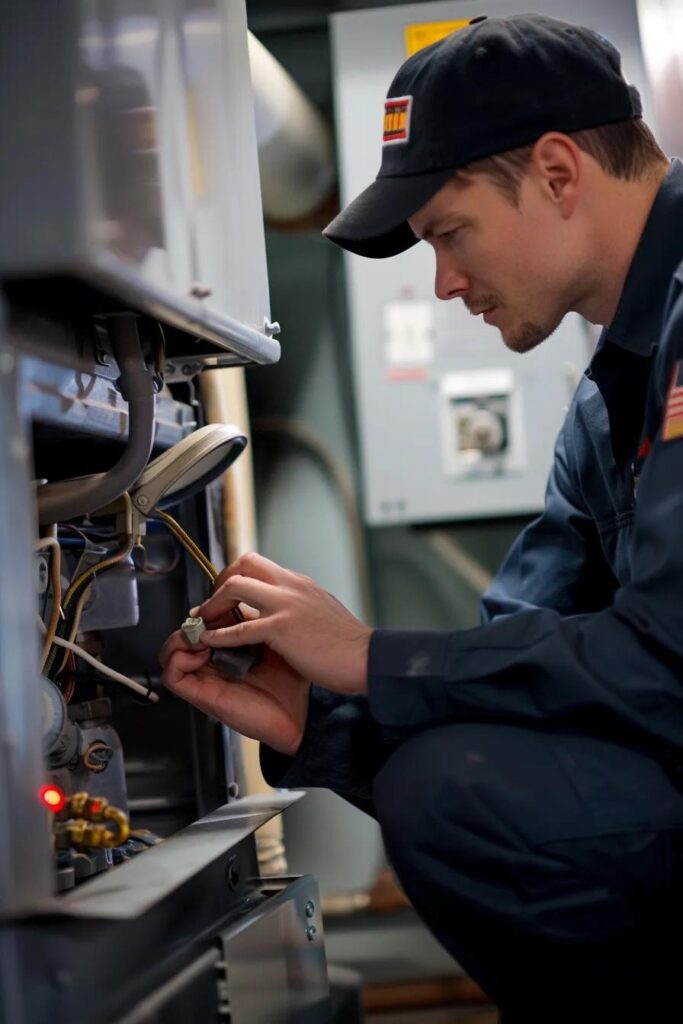
Unusual noises usually point to mechanical wear, combustion timing issues, or loose parts. Identifying the sound narrows the likely cause: high‑pitched squeals often mean motor bearings or belts, bangs or booms can come from delayed ignition or duct expansion, and rattles usually mean loose panels or debris. It’s important to separate harmless operational sounds from combustion‑related noises — the latter deserve immediate professional attention. The sections below categorize common noises and explain how to check them safely.
What Types of Noises Indicate Specific Furnace Problems?
Different sounds suggest different failures: squeals suggest motor or belt trouble, a clicking sequence is usually normal during ignition but repeated clicking points to ignition faults, and loud bangs can signal delayed ignition or a damaged heat exchanger. A persistent high‑frequency squeal when the blower runs often indicates bearing wear or belt slippage, which reduces airflow and can damage the motor. A single loud boom at ignition comes from pockets of unburned gas igniting — this needs prompt inspection because it may be a combustion timing or heat exchanger issue.
How Can I Diagnose and Address Loud Furnace Noises?
Begin with safe visual checks and simple fixes before scheduling repairs for internal mechanical or combustion problems. Turn off power, then make sure access panels are secure and nothing is touching the blower or ducts; tighten loose screws and remove visible debris that could rattle. Note whether the noise happens at startup, while running, or during shutdown to isolate the subsystem. If the noise coincides with ignition or you smell burning, power off the unit and call a professional immediately. For mechanical wear such as failing bearings or belts, arrange technician service to replace worn parts and rebalance the blower for quiet, efficient operation.
Use this quick checklist to prioritize actions for noisy furnaces:
- Check access panels and ductwork for loose or missing fasteners.
- Note when the sound occurs (startup, run, shutdown) to help isolate the issue.
- Tighten visible fasteners and remove small debris safely with power off.
- If you hear combustion noises or smell burning, shut the unit down and call a professional.
These steps let you handle minor mechanical noises safely while escalating combustion concerns to qualified technicians.
Why Is My Furnace Blowing Cold Air Instead of Heat?
Cold air from a furnace usually means the system is running the blower without producing heat. Causes include incorrect thermostat settings, short cycling, ignition failures, or airflow problems that mix cold return air into supply ducts. The fan could be set to ON (fan‑only), or the burners may not be firing because of ignition or gas supply faults. Proper troubleshooting separates user errors (mode, schedules) from mechanical faults that need repair, keeping the system safe and efficient. The sections below list causes and walk through troubleshooting steps.
What Causes a Furnace to Blow Cold Air?
Common reasons for cold air include the thermostat set to COOL or FAN mode, ignition failures where the blower runs but burners don’t light, or short cycling that prevents full heat production. Scheduled thermostat setbacks or incorrect programming can also make it seem like the furnace isn’t heating. Ignition or gas supply faults are safety‑sensitive and will keep burners from producing heat even while the blower runs. Severe airflow issues can dissipate heat before it reaches registers, creating cold drafts despite a working furnace.
How Do I Troubleshoot and Resolve Cold Air Blowing From My Furnace?
Start with simple checks, then move to more detailed diagnostics if needed. Verify the thermostat is in HEAT, check schedules and replace batteries, and make sure the fan is set to AUTO rather than ON — this often fixes what seems like cold airflow. If settings are correct, replace the air filter, open return vents, and watch whether burners ignite when the furnace cycles; if burners do not light, call a technician. If cold air continues after these homeowner checks, document what you observe and schedule a technician to evaluate ignition components, the heat exchanger, and duct airflow balance.
This stepwise approach separates quick homeowner fixes from professional tasks that protect safety and system life.
When Should I Call a Professional for Furnace Repair and Maintenance?
Knowing when to call a professional prevents unsafe DIY attempts and keeps warranties intact. Call a technician for any gas smell, persistent ignition failure, combustion noises, repeated breaker trips, visible rust or cracks on the heat exchanger, or when homeowner checks don’t restore safe operation. Regular maintenance reduces emergency breakdowns, improves efficiency, and extends equipment life; joining a maintenance plan can give you priority scheduling and extended warranty options. Below are clear guidelines on which problems need expert attention and what preventive maintenance delivers.
What Furnace Problems Require Expert HVAC Technician Service?
Contact a professional immediately for suspected gas leaks, persistent ignition failures, combustion‑related noises, burning electrical smells, or visible heat exchanger or vent damage. Those issues involve sealed combustion components and safety systems that require specialized tools and testing, such as combustion analysis and gas valve service. If your unit repeatedly trips breakers or won’t hold temperature after homeowner checks, have a technician evaluate control boards, limit switches, and wiring. For safety and a quick fix, rely on professional intervention rather than risky DIY attempts.
All Around Heating, Air & Solar Construction, a family‑owned HVAC and construction company in Chico, CA, serves Butte, Glenn, and Tehama Counties. We provide furnace repair, electric furnace service, and maintenance plans. Our Maintenance Plan offers priority service and options for extended coverage on eligible components, reducing downtime and speeding repairs for members. If you need local expertise to diagnose combustion faults, clean flame sensors, or perform safety inspections, our team is ready to help get your heat back on reliably.
What Are the Benefits of Scheduling Regular Furnace Maintenance?
Regular maintenance keeps systems efficient, cuts the chance of emergency breakdowns, and catches safety issues early — all of which extend equipment life and help preserve manufacturer warranties. Typical maintenance includes filter checks and replacement, burner and ignition inspection, flame sensor cleaning, combustion testing, blower and motor service, and thermostat calibration. Maintenance plan members get priority scheduling and may be eligible for extended coverage, reducing time without heat during busy seasons. A documented annual tune‑up also supports resale value and helps spot small problems before they become costly repairs.
Use this table to see typical services, what they include, and the homeowner benefits.
| Service | Included Action | Benefit |
|---|---|---|
| Annual Tune-Up | Filter check, burner and ignition inspection, combustion test | Better efficiency and fewer unexpected breakdowns |
| Priority Response | Faster scheduling for plan members during peak demand | Shorter downtime and quicker repairs |
| Component Cleaning | Flame sensor cleaning, blower maintenance | Restores reliable operation and reduces short cycling |
| Warranty Support | Service documentation and eligible extended coverage | Financial protection against major repair costs |
- When to call: Gas smell, combustion noises, persistent ignition failure, or electrical burning smells.
- When to schedule maintenance: Yearly before the heating season for best performance.
- What maintenance includes: Cleaning, safety checks, performance tuning, and documentation.
Routine preventive care keeps your household safe and helps furnaces run efficiently through colder months, reducing surprise service calls and extending system life.
Frequently Asked Questions
What should I do if my furnace is making a strange noise?
First, note the type and timing of the sound. Squealing usually means motor or belt trouble, banging can suggest delayed ignition or duct movement, and rattling often comes from loose panels or debris. Turn off power and check for loose access panels or visible debris. If the noise continues while the unit runs — especially at ignition — contact a professional. Don’t ignore unusual noises; timely diagnosis prevents bigger, costlier problems.
How can I tell if my furnace needs professional maintenance?
Call for professional maintenance if you notice unusual noises, frequent cycling, uneven heating, visible rust or cracks, or a gas smell. Persistent ignition failures are also a sign to get expert help. Even without obvious problems, an annual professional tune‑up before the heating season helps keep the system safe and efficient. When in doubt, schedule an inspection — a technician can assess hidden issues and recommend the right steps.
What are the benefits of enrolling in a furnace maintenance plan?
A maintenance plan typically gives you priority scheduling, reduced emergency downtime, and routine tune‑ups that improve efficiency and reduce breakdown risk. Plans often include documentation that supports warranty claims and helps with resale. Investing in a maintenance plan means fewer surprises and faster repairs when you need them most.
How often should I replace my furnace filter?
Most filters should be replaced every 1–3 months, depending on usage and filter type. Homes with pets, allergies, or heavy dust may need more frequent changes. A clogged filter restricts airflow, lowers efficiency, and can damage the furnace, so regular checks and timely replacement are a simple, effective way to protect your system.
What should I do if my furnace is short cycling?
Short cycling — the furnace turning on and off quickly — wastes energy and stresses components. Start by checking for blocked vents and a dirty air filter. If those aren’t the issue, the flame sensor or thermostat placement may be at fault. Document what you observe (timing, sounds, error lights) and schedule a professional inspection to correct the underlying cause.
Can I troubleshoot gas furnace issues myself?
You can safely perform basic checks like verifying thermostat settings and replacing filters, but gas or combustion issues are best left to professionals. If you smell gas, hear unusual combustion noises, or face persistent ignition failures, shut the system down and call a technician right away. DIY attempts on gas components can be dangerous — safety first.
What are the signs of a failing thermocouple in a gas furnace?
A failing thermocouple often shows up as a pilot light that won’t stay lit, inconsistent heating, or the furnace shutting off unexpectedly. The thermocouple detects the pilot flame and allows gas flow; if it’s faulty it will shut the gas off. If you suspect a thermocouple issue, have a qualified technician inspect and replace it to ensure safe operation. Heating repair services can help resolve this issue.
Conclusion
Knowing the common furnace problems and how to troubleshoot them helps you stay warm and safe all winter. Do the simple homeowner checks first — thermostat settings, filter changes, and basic visual inspections — and call a professional for gas, combustion, or electrical concerns. Regular maintenance keeps your system running efficiently and extends its life. If you need expert help, our local team is ready to diagnose, repair, and maintain your furnace services so your home stays comfortable.